Read
The Nightingale


In the darkest hours of war, when humanity is tested to its limits, what choices define us? Kristin Hannah’s The Nightingale plunges readers into the harrowing realities of World War II, exploring themes of survival, sacrifice, and the extraordinary courage found in ordinary women. This powerful historical fiction novel, published in 2015, introduces us to two French sisters, Vianne and Isabelle Mauriac, whose divergent paths through the Nazi occupation illuminate the multifaceted nature of resistance and resilience. Hannah masterfully weaves a narrative that is both deeply personal and historically resonant, making “The Nightingale” a compelling and unforgettable read.
A Spoiler-Free Synopsis
Set in war-torn France, The Nightingale follows the lives of Vianne and Isabelle, sisters separated by age, experience, and temperament, yet bound by an unbreakable familial love. When the Germans invade France, Vianne, a quiet mother and wife, finds herself forced to quarter an enemy officer in her home, navigating the daily indignities and dangers of occupation while striving to protect her daughter. Her struggle is one of quiet, internal resistance, making impossible choices to ensure her family’s survival.
In contrast, her younger sister, Isabelle, is a fiery and rebellious spirit who refuses to stand idly by. Driven by a fierce sense of justice, she joins the French Resistance, risking her life to guide downed Allied airmen across the treacherous Pyrenees mountains to freedom, earning her the codename “The Nightingale.” Their stories, though distinct, are intertwined, showcasing different forms of bravery and the profound impact of war on individual lives and relationships. The novel skillfully builds tension and emotional depth without revealing the ultimate fates of its characters, leaving readers eager to discover how these two remarkable women navigate the perils of their time.
Key Themes and Ideas Explored
Kristin Hannah’s The Nightingale is rich with profound themes that resonate long after the final page. Among the most prominent are resilience and resistance, the strength of sisterhood, and morality and impossible choices.
Resilience and Resistance
The novel powerfully explores the various forms of resilience and resistance during wartime. Vianne’s quiet acts of defiance—protecting her child, feeding Jewish children, and maintaining a semblance of normalcy amidst chaos—demonstrate a different kind of bravery than Isabelle’s overt acts of rebellion. This duality highlights that resistance isn’t always about grand gestures; it can also be found in the quiet, everyday struggles to maintain humanity and protect loved ones. The book delves into how individuals adapt and find strength in unimaginable circumstances, making “The Nightingale” a poignant exploration of human endurance.
The Strength of Sisterhood
At its heart, The Nightingale is a story about the enduring bond between sisters. Despite their vastly different approaches to the war and their often-strained relationship, Vianne and Isabelle’s love for each other is a constant, driving force. Their individual journeys are shaped by their shared history and their unwavering commitment to family, even when circumstances threaten to tear them apart. This theme explores how sisterhood can be a source of both conflict and profound support during times of crisis.
Morality and Impossible Choices
The war forces both sisters, and indeed many characters in the novel, to confront agonizing moral dilemmas. Vianne must make compromises with the enemy to protect her family, while Isabelle faces life-or-death decisions daily in her work with the Resistance. The novel masterfully portrays the grey areas of wartime morality, where there are no easy answers and every choice carries immense weight. It prompts readers to consider what they would do in similar situations, exploring the complex interplay between survival, ethics, and personal conviction.
Writing Style and Narrative Voice
Kristin Hannah’s writing style in The Nightingale is both evocative and accessible, characterized by its emotional depth and immersive quality. She employs a clear, straightforward prose that allows the harrowing events of the war to unfold with stark clarity, yet it is imbued with a lyrical quality that captures the beauty and tragedy of the human spirit. The narrative primarily uses a third-person omniscient perspective, shifting between Vianne and Isabelle’s viewpoints. This dual perspective is crucial, offering readers a comprehensive understanding of the diverse experiences of women during the occupation and highlighting their contrasting forms of courage. Hannah’s ability to craft vivid imagery and compelling dialogue draws readers deeply into the characters’ inner worlds, making their struggles and triumphs intensely personal. The pacing is deliberate, building tension and emotional resonance as the story progresses, ensuring that the reader remains captivated from beginning to end.
Who Should Read This Book?
The Nightingale is an essential read for anyone who appreciates historical fiction, particularly those interested in the untold stories of women during World War II. Fans of authors like Anthony Doerr (All the Light We Cannot See) and Markus Zusak (The Book Thief) will find themselves deeply engrossed in Hannah’s meticulous research and emotional storytelling. If you are looking for a novel that explores themes of resilience, family bonds, and the moral complexities of war through the eyes of strong female protagonists, this book is for you. It’s also highly recommended for book clubs, as its rich themes and character development provide ample material for discussion.
Frequently Asked Questions (FAQ)
Is The Nightingale based on a true story?
While The Nightingale is a work of fiction, Kristin Hannah drew inspiration from the real-life stories of women who aided the French Resistance during World War II. Specifically, she was inspired by the story of Andrée de Jongh, a young Belgian woman who helped downed Allied airmen escape Nazi-occupied Belgium. Hannah conducted extensive research into the experiences of women in the Resistance and those living under occupation to create a historically accurate and emotionally resonant narrative.
Is there a movie adaptation of The Nightingale?
Yes, a film adaptation of The Nightingale has been in development. Originally, it was slated for release in 2020, but production has faced delays. The film is set to star sisters Dakota Fanning and Elle Fanning as Vianne and Isabelle Mauriac, respectively. As of early 2026, the movie is still anticipated, though a new release date has not been firmly set.
What does the title The Nightingale mean?
The title “The Nightingale” is a symbolic reference within the novel. It is the codename adopted by Isabelle Mauriac in the French Resistance. The nightingale bird is known for its beautiful song, often sung in the darkness, and its elusive nature. This symbolism perfectly encapsulates Isabelle’s role: she operates covertly, bringing hope and guidance to those in peril, much like a nightingale’s song in the night, leading people to safety and freedom.
Final Verdict
The Nightingale is a profoundly moving and meticulously researched novel that stands as a testament to the indomitable spirit of women during one of history’s darkest periods. Kristin Hannah has crafted a story that is both heartbreaking and inspiring, forcing readers to confront the difficult realities of war while celebrating the quiet acts of heroism that often go unnoticed. With its compelling characters, intricate plot, and powerful exploration of universal themes, this book is more than just a historical account; it’s a deeply human story that will stay with you long after you’ve turned the final page. I wholeheartedly recommend it.
5/5 stars
Have you read “The Nightingale”? Share your thoughts in the comments below!
Upstairs at the White House: My Life with the First Ladies


Step into the rarely seen private quarters of America’s most famous address, 1600 Pennsylvania Avenue, and discover the human stories behind the political facade. In Upstairs at the White House: My Life with the First Ladies, J.B. West, with Mary Lynn Kotz, offers an unparalleled, intimate glimpse into the lives of the First Families, particularly the First Ladies, through his nearly three decades of service as Chief Usher. This memoir transcends mere historical recounting, presenting a warm, often humorous, and deeply personal narrative that reveals the challenges, triumphs, and daily routines of those who called the White House home. It’s a fascinating dive into a unique intersection of personal life and public duty, making it an essential read for anyone curious about the untold stories of American history.
A Spoiler-Free Synopsis
J.B. West’s remarkable career at the White House spanned from 1941 to 1969, serving six presidents and their wives, from Franklin D. Roosevelt to Lyndon B. Johnson. As Chief Usher, West was responsible for the operations and maintenance of the Executive Mansion, but his role extended far beyond administrative duties. He became a trusted confidant, an observer of history in the making, and a witness to the personal lives of the First Families. The book is structured around his experiences with each First Lady, detailing their personalities, their contributions to the White House, and their efforts to balance public expectations with private lives. West recounts everything from Eleanor Roosevelt’s tireless activism to Jacqueline Kennedy’s meticulous restoration efforts, and Lady Bird Johnson’s dedication to beautification. It’s a narrative rich with anecdotes, offering a unique perspective on the human side of presidential power, all without delving into political scandals or sensationalism.
Key Themes and Ideas Explored
The Enduring Contribution of First Ladies
One of the central themes in Upstairs at the White House is the significant, often understated, role of the First Ladies. West meticulously documents how each woman, despite not being elected, left an indelible mark on the presidency and the nation. He highlights their initiatives, their resilience under intense public scrutiny, and their personal sacrifices. The book underscores that these women were not merely presidential spouses but influential figures who shaped policy, culture, and the very essence of the White House itself. This exploration of the First Ladies’ contributions provides a fresh perspective on American political history.
The Important Role of Behind-the-Scenes Workers
Another crucial theme is the vital, yet often invisible, work of the White House staff. West’s memoir is a testament to the dedication and professionalism of the ushers, chefs, housekeepers, and other personnel who ensure the smooth functioning of the presidential residence. He illustrates how these individuals, through their unwavering commitment, provide stability and continuity amidst changing administrations. The book emphasizes that the grandeur and efficiency of the White House are built upon the tireless efforts of these unsung heroes, offering a powerful narrative about service and loyalty.
The Impact of Public Scrutiny on Private Lives
The memoir also subtly explores the immense pressure and public scrutiny faced by the First Families. West, as an intimate observer, provides insights into how the constant gaze of the media and the public affected the personal lives, decisions, and even the emotional well-being of the presidents and their wives. He shows how they navigated grief, joy, and everyday challenges under extraordinary circumstances, offering a poignant reflection on the human cost of public service. This theme resonates deeply, highlighting the sacrifices made by those in the highest office.
Writing Style and Narrative Voice
J.B. West’s writing style is characterized by its warmth, discretion, and keen observational detail. He adopts a respectful and complimentary tone, avoiding gossip while still providing rich, personal anecdotes that bring the First Ladies to life. His narrative voice is that of a trusted insider, offering a unique, behind-the-scenes perspective that feels both privileged and authentic. The prose is engaging and accessible, making complex historical periods feel immediate and personal. West’s ability to convey deep respect for his subjects while sharing intimate details creates a compelling and highly readable account.
Who Should Read This Book?
Upstairs at the White House: My Life with the First Ladies is a must-read for anyone fascinated by American history, presidential memoirs, or the unique role of the First Lady. Fans of historical non-fiction will appreciate the meticulous detail and personal insights. If you’re looking for a book that offers a different perspective on well-known historical figures, focusing on their humanity rather than just their politics, this book will captivate you. It’s also highly recommended for those interested in the inner workings of the White House and the dedicated staff who keep it running.
Frequently Asked Questions (FAQ)
Is Upstairs at the White House: My Life with the First Ladies based on a true story?
Yes, Upstairs at the White House: My Life with the First Ladies is a non-fiction memoir based entirely on the true experiences and observations of J.B. West, who served as Chief Usher of the White House for 28 years. The events and anecdotes recounted in the book are drawn directly from his personal recollections and detailed records.
Is there a movie adaptation of Upstairs at the White House: My Life with the First Ladies?
While the book itself has not been directly adapted into a feature film, it served as the basis for a highly acclaimed 1979 television movie titled “Backstairs at the White House.” This miniseries brought West’s stories to life, offering a dramatic portrayal of his experiences and the First Ladies he served.
What does the title Upstairs at the White House: My Life with the First Ladies mean?
The title refers to the private living quarters of the First Family, located on the second and third floors of the White House, distinct from the public and official areas downstairs. “My Life with the First Ladies” emphasizes J.B. West’s close working relationship and personal interactions with the presidential spouses, highlighting their central role in his narrative.
Final Verdict
Upstairs at the White House: My Life with the First Ladies is a truly enchanting and insightful memoir that offers a rare and invaluable look into the private world of the American presidency. J.B. West’s dignified and affectionate portrayal of the First Ladies, coupled with his detailed accounts of White House life, makes this book a timeless classic. It’s a testament to the human spirit, the demands of public service, and the quiet dedication of those who serve behind the scenes. I wholeheartedly recommend this book for its historical significance, its engaging narrative, and its heartwarming revelations. It’s a five-star read that will leave you with a deeper appreciation for the individuals who shaped American history from within the walls of the White House. 5/5 stars. Have you read Upstairs at the White House: My Life with the First Ladies? Share your thoughts in the comments below!
A Man Called Ove

Introduction
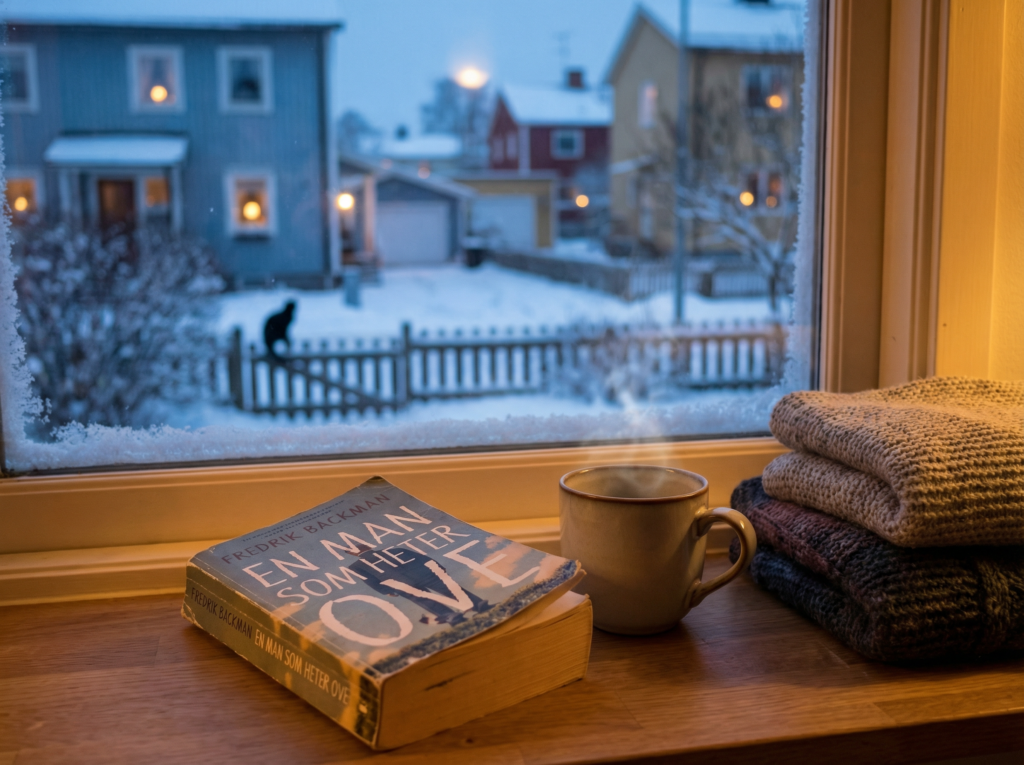
In the bustling tapestry of modern literature, few characters leave an indelible mark quite like Ove, the curmudgeonly yet endearing protagonist of Fredrik Backman’s masterful novel, A Man Called Ove. This heartwarming and profoundly moving book, first published in 2012, introduces readers to a man whose rigid routines and grumpy exterior mask a deep well of sorrow and an unwavering capacity for love. Backman, a Swedish author renowned for his poignant storytelling and keen observations of human nature, crafts a narrative that transcends simple categorization, blending elements of contemporary fiction, drama, and dark comedy. At its core, A Man Called Ove explores themes of grief, community, the unexpected bonds that shape our lives, and the quiet heroism found in everyday existence. It asks: Can a life defined by loss find new purpose through the most unlikely of connections?
A Spoiler-Free Synopsis
Ove is a man of strict principles, unwavering routines, and an almost pathological aversion to anything new or inefficient. Following the death of his beloved wife, Sonja, Ove’s world has shrunk to the confines of his meticulously maintained terraced house and the neighborhood he presides over with an iron fist. He’s the self-appointed, unofficial superintendent, constantly patrolling, correcting, and generally making life difficult for his neighbors. His days are punctuated by visits to Sonja’s grave and increasingly frequent, yet always thwarted, attempts to end his own life. The central conflict arises with the arrival of new neighbors: Parvaneh, a heavily pregnant, boisterous Iranian woman, her clumsy husband Patrick, and their two young daughters. Their chaotic arrival, involving a disastrous attempt at backing a U-Haul trailer, irrevocably disrupts Ove’s carefully constructed solitude. Through a series of unexpected and often comical encounters, Ove finds himself reluctantly drawn into their lives, and subsequently, into the lives of other quirky residents of his community. These interactions slowly begin to chip away at his hardened exterior, revealing the tender, tragic, and deeply loyal man beneath the gruff facade. The story unfolds through a dual narrative, weaving between Ove’s present-day struggles and flashbacks to his past, illuminating the experiences and relationships that shaped him into the man he is.
Key Themes and Ideas Explored
The Power of Community and Connection
One of the most profound themes in A Man Called Ove is the transformative power of community and human connection. Ove, initially isolated by grief and a rigid worldview, is gradually re-integrated into society through the persistent and often exasperating efforts of his neighbors. Backman masterfully illustrates how seemingly insignificant interactions—a shared meal, a car repair, a simple conversation—can weave a tapestry of support and belonging. The diverse cast of characters, each with their own quirks and struggles, forms an unlikely family around Ove, challenging his cynicism and reminding him of the inherent value in interdependence. This theme highlights how even the most self-sufficient individuals need others, and how genuine connection can heal deep wounds and provide a reason to live.
Grief, Loss, and Resilience
Another central aspect of A Man Called Ove analysis reveals the intricate exploration of grief and loss, and the remarkable resilience of the human spirit. Ove’s profound sorrow over the death of his wife, Sonja, is the driving force behind his initial despair and his attempts to end his life. Backman doesn’t shy away from the raw pain of bereavement, depicting Ove’s memories of Sonja with tender detail. However, the narrative also showcases how, even in the deepest troughs of despair, life continues to unfold, and new relationships can offer solace and a path forward. Ove’s journey is a testament to the idea that while loss leaves an indelible mark, it does not have to define the entirety of one’s existence. His gradual acceptance of new bonds and responsibilities demonstrates a quiet, powerful resilience.
The Clash of Generations and Modernity
Backman also subtly explores the clash between traditional values and modern sensibilities, often through Ove’s interactions with younger characters and contemporary societal changes. Ove represents an older generation’s adherence to order, hard work, and practical skills, often viewing modern conveniences and attitudes with disdain. His exasperation with technology, bureaucracy, and what he perceives as a lack of common sense in younger people provides much of the novel’s humor. Yet, it is precisely these younger, more open-minded characters, particularly Parvaneh, who ultimately break through Ove’s defenses. This theme is not about one generation being superior to another, but rather about the beauty of bridging generational gaps and finding common ground despite differing worldviews.
Writing Style and Narrative Voice
Fredrik Backman’s writing style is a distinctive blend of wit, warmth, and profound emotional depth. He employs a deceptively simple prose that is both accessible and deeply insightful. His sentences are often short and direct, yet they carry significant emotional weight, capable of eliciting both laughter and tears within a single paragraph. Backman has a particular talent for creating memorable, quirky characters and for using humor, often dark and observational, to underscore serious themes. The narrative voice is omniscient, allowing the reader intimate access to Ove’s inner thoughts and past experiences, which is crucial for understanding his gruff exterior. This narrative choice creates a strong sense of empathy, transforming Ove from a seemingly unlikeable character into one that readers root for and deeply connect with. The voice is often gently ironic, highlighting the absurdities of life and human behavior, making the reading experience both entertaining and thought-provoking.
Who Should Read This Book?
If you’re looking for a heartwarming story about community, resilience, and the unexpected joys of human connection, A Man Called Ove is an absolute must-read. Fans of character-driven narratives, particularly those who appreciate a blend of humor and poignant drama, will find themselves captivated. It’s also highly recommended for readers who enjoy stories that explore themes of grief and finding purpose after loss, or those who simply appreciate a well-crafted tale with memorable characters. If you enjoyed books like Eleanor Oliphant Is Completely Fine or The Unlikely Pilgrimage of Harold Fry, you will undoubtedly fall in love with Ove.
Frequently Asked Questions (FAQ)
Is A Man Called Ove based on a true story?
No, A Man Called Ove is not based on a true story in the sense of being a biography or a direct recounting of real events. Fredrik Backman created Ove and his world from his imagination. However, Backman has stated that the character of Ove was inspired by a real person he once encountered, a man who was very particular about his neighborhood and who reminded Backman of his own father. So, while the narrative is fictional, the essence of Ove is rooted in real-life observation.
Is there a movie adaptation of A Man Called Ove?
Yes, A Man Called Ove has been adapted into a film twice. The first adaptation was a highly successful Swedish film released in 2015, titled En man som heter Ove, which received critical acclaim and was nominated for two Academy Awards. More recently, an American adaptation starring Tom Hanks, titled A Man Called Otto, was released in 2022. Both films capture the heartwarming and poignant spirit of Backman’s novel.
What does the title A Man Called Ove mean?
The title A Man Called Ove is quite literal, referring to the protagonist, Ove. However, it also subtly hints at the universal nature of his character and the themes explored. Ove is not just an individual; he represents a certain type of person—the curmudgeon with a heart of gold, the traditionalist struggling with modernity, the grieving soul finding new purpose. The simplicity of the title allows readers to project their own experiences and understanding onto “a man called Ove,” making his story relatable and resonant.
Final Verdict
In conclusion, A Man Called Ove is a truly exceptional novel that masterfully balances humor, heartbreak, and profound insight into the human condition. Fredrik Backman has crafted a character who, despite his initial abrasiveness, becomes deeply beloved, reminding us that appearances can be deceiving and that love, loss, and connection are universal experiences. This book is a powerful testament to the unexpected ways in which people can impact each other’s lives and the enduring strength of the human spirit. It’s a story that will make you laugh, cry, and ultimately, feel a little more hopeful about the world. I wholeheartedly recommend it to anyone seeking a story with depth, warmth, and unforgettable characters. I give A Man Called Ove a resounding 5/5 stars. Have you read A Man Called Ove? Share your thoughts and favorite moments in the comments below!
Never Let Me Go
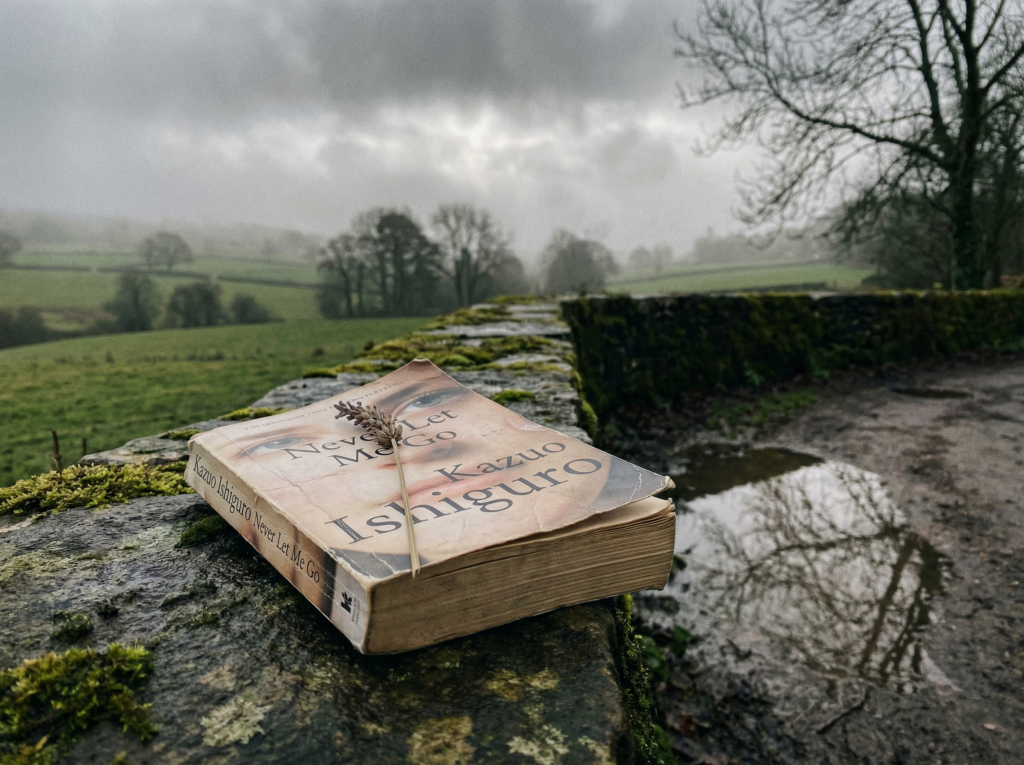
In a world where destiny is predetermined and individuality is a luxury, what does it mean to truly live, to love, and to yearn for a different path? Kazuo Ishiguro’s haunting masterpiece, Never Let Me Go, delves into these profound questions with a quiet intensity that lingers long after the final page. Published in 2005, this dystopian science fiction novel, though often categorized as literary fiction, masterfully explores the human condition through the eyes of its unforgettable narrator, Kathy H. Ishiguro, a Nobel laureate, crafts a narrative that is both deeply personal and universally resonant, inviting readers to ponder the very essence of humanity and the ethical dilemmas that arise when life is commodified. The book’s title itself, Never Let Me Go, hints at the poignant themes of attachment, loss, and the desperate desire to hold onto fleeting moments of joy and connection.
A Spoiler-Free Synopsis
The story unfolds primarily at Hailsham, a seemingly idyllic boarding school in the English countryside.Here, children, known as ‘students’, are raised with a peculiar purpose, shielded from the outside world but subtly aware of their unique destiny. Kathy, along with her closest friends Ruth and Tommy, navigates the complexities of adolescence, friendship, and burgeoning love within the confines of Hailsham. As they grow older and move to The Cottages, a transitional living facility, they begin to grasp the full, unsettling truth of their existence and the role they are destined to play in society. The narrative subtly builds tension as Kathy recounts her memories, revealing the gradual realization of their fate and the poignant attempts of the students to find meaning, love, and a sense of normalcy in a world that has already decided their future.
Key Themes and Ideas Explored
One of the most prominent themes in Never Let Me Go is identity and humanity. The novel constantly challenges the reader to consider what it means to be human, especially when the characters are treated as less than human by human by society. Kathy, Ruth, and Tommy grapple with their own sense of self, their desires, and their emotions, which are indistinguishable from those of any other human being. Their struggle for recognition and dignity highlights the arbitrary lines society draws to define who is worthy of full human rights. This theme is intricately woven into their relationships and their quiet rebellion against a predetermined existence, making the reader question the very definition of a soul and the inherent value of life.
Another crucial theme is memory and the past. The narrative is told through Kathy’s recollections, often fragmented and tinged with nostalgia. Hailsham, though a place of profound revelations, is also a repository of cherished memories, representing a lost innocence. The characters cling to these memories, using them as a shield against the harsh realities of their present and future. Ishiguro uses memory not just as a narrative device but as a way to explore how our past shapes our present and how we cope with inevitable loss. The act of remembering becomes a form of resistance against a system that seeks to erase their individual histories.
Finally, the novel deeply explores morality and ethics, particularly the dehumanizing aspects of a society that prioritizes scientific advancement over human dignity. The ethical implications of creating beings solely for their organs are never explicitly debated by the characters, but their quiet acceptance and subtle acts of defiance highlight the profound moral vacuum of their world. The reader is left to confront the uncomfortable questions about what constitutes a soul, the value of a human life, and the responsibilities of society towards its most vulnerable members. This exploration of morality is subtle yet powerful, making the reader a silent witness to a profound injustice.
Writing Style and Narrative Voice
Kazuo Ishiguro’s writing style in Never Let Me Go is characterized by its restrained elegance and understated prose. It is deceptively simple, yet capable of conveying immense emotional depth. The narrative is told in the first person by Kathy H., whose voice is introspective, melancholic, and remarkably observant. Her tone is often detached, almost clinical, as she recounts the events of her life, which makes the moments of raw emotion all the more impactful. This narrative voice creates a sense of intimacy, drawing the reader into Kathy’s internal world and allowing them to experience her quiet despair and fleeting hopes. The pacing is deliberate, slowly building the atmosphere and gradually revealing the unsettling truths, mirroring the characters’ own gradual understanding of their fate. Ishiguro’s use of indirect speech and subtle hints rather than explicit statements adds to the novel’s haunting quality, forcing the reader to piece together the larger picture alongside Kathy.
Who Should Read This Book?
Never Let Me Go is a must-read for those who appreciate literary fiction with a speculative edge. If you are drawn to dystopian narratives that prioritize character development and philosophical inquiry over action and overt world-building, this book will captivate you. Readers who enjoy authors like Margaret Atwood (especially The Handmaid’s Tale) or George Orwell will find similar thematic depth and social commentary. It is also highly recommended for book clubs, as its complex themes and moral ambiguities provide ample material for discussion. If you’re looking for a story that will make you reflect on the nature of humanity, memory, and the ethical boundaries of science, then Never Let Me Go is an essential addition to your reading list.
Frequently Asked Questions (FAQ)
Is Never Let Me Go based on a true story?
No, Never Let Me Go is a work of fictional dystopian science fiction. While the themes it explores, such as medical ethics and human rights, are deeply rooted in real-world concerns, the specific narrative and its premise are entirely imagined by Kazuo Ishiguro. The novel serves as a powerful thought experiment, prompting readers to consider potential societal trajectories and moral dilemmas.
Is there a movie adaptation of Never Let Me Go?
Yes, Never Let Me Go was adapted into a critically acclaimed film in 2010, directed by Mark Romanek and starring Carey Mulligan as Kathy H., Andrew Garfield as Tommy, and Keira Knightley as Ruth. The film is largely faithful to the novel’s tone and plot, offering a visually stunning and emotionally resonant interpretation of Ishiguro’s work. It received positive reviews for its performances and atmospheric direction.
What does the title Never Let Me Go mean?
The title Never Let Me Go carries multiple layers of meaning within the context of the novel. On a literal level, it refers to a cassette tape of a fictional singer, Judy Bridgewater, that Kathy cherishes, particularly a song with that title. This song becomes a symbol of lost innocence, longing, and the desire to hold onto something precious. More broadly, the title encapsulates the characters’ desperate yearning to cling to their lives, their memories, and their connections with each other, despite their predetermined fate. It speaks to the universal human desire for love, belonging, and the fear of being forgotten or cast aside.
Final Verdict
Never Let Me Go is a profoundly moving and intellectually stimulating novel that transcends its genre. Kazuo Ishiguro crafts a narrative that is both heartbreaking and hopeful, forcing readers to confront uncomfortable truths about society and the human spirit. Its quiet power lies in its ability to evoke deep empathy for its characters and to provoke serious contemplation on themes of identity, morality, and the preciousness of life. This is a book that stays with you long after you’ve turned the final page, prompting reflection and discussion. I wholeheartedly recommend it to anyone seeking a literary experience that is both beautiful and thought-provoking. A truly exceptional work, I give Never Let Me Go a solid 4.8/5 stars.
Have you read Never Let Me Go? Share your thoughts in the comments below!
Playing With The Enemy


A captivating tale of baseball, war, and family, Gary W. Moore’s Playing with the Enemy transcends the boundaries of a typical sports biography. This historical fiction, inspired by the real-life story of the author’s father, Gene Moore, delves into the heart of a young man’s shattered dreams and the unexpected turns of fate during one of history’s most tumultuous times. The book explores the central question of what happens when personal ambition collides with global conflict, and how the human spirit can find hope and purpose in the most unlikely of places.
A Spoiler-Free Synopsis
The story begins with Gene Moore, a teenage baseball prodigy with a golden arm and a ticket to the major leagues. His future seems set with a contract from the Brooklyn Dodgers, but the outbreak of World War II changes everything. Gene is drafted into the U.S. Navy and finds himself stationed not on a battlefield, but in a secret naval prison, guarding a group of German U-boat sailors. It is here, in this strange and isolated world, that Gene’s love for baseball is rekindled in an unexpected way. He is tasked with forming a baseball team among the prisoners, leading to a series of events that will challenge his perceptions of the enemy and himself.
Key Themes and Ideas Explored
Playing with the Enemy is rich with themes that resonate long after the final page is turned. One of the most prominent is the universality of the human spirit. Through the shared love of baseball, the American guards and their German prisoners begin to see each other not as enemies, but as individuals with their own hopes, fears, and dreams. The novel also explores the theme of lost and rediscovered purpose. Gene’s dream of a professional baseball career is abruptly taken from him, but he finds a new sense of purpose in the most unexpected of circumstances, teaching and playing the game he loves. This exploration of themes in Playing with the Enemy adds a layer of depth to the narrative, making it more than just a sports story.
Writing Style and Narrative Voice
Gary W. Moore’s writing is both accessible and evocative. He paints a vivid picture of the era, from the dusty baseball diamonds of rural America to the tense atmosphere of a wartime naval prison. The narrative voice is deeply personal, imbued with the love and admiration of a son telling his father’s story. This intimate perspective draws the reader in, creating a powerful emotional connection to the characters and their journey.
Who Should Read This Book?
Fans of historical fiction, sports stories, and tales of human resilience will find Playing with the Enemy to be a rewarding read. If you’re looking for a heartwarming story about the power of sports to unite people and the indomitable nature of the human spirit, this book is for you. It’s a story that will appeal to a wide range of readers, from baseball enthusiasts to those who simply enjoy a well-told story with a powerful message.
Frequently Asked Questions (FAQ)
Is Playing With The Enemy based on a true story?
Yes, the book is inspired by the true story of the author’s father, Gene Moore, who was a baseball prodigy whose career was interrupted by World War II.
Is there a movie adaptation of Playing With The Enemy?
While there has been talk of a film adaptation for many years, and the book’s IMDb page shows it as
in development, so a film has not yet been released.
What does the title Playing With The Enemy mean?
The title refers to Gene Moore’s unique experience of playing baseball with German prisoners of war during World War II, blurring the lines between ‘us’ and ‘them’ through the shared love of the game.
Final Verdict
Playing with the Enemy is a poignant and powerful narrative that beautifully intertwines personal dreams with historical events. Gary W. Moore has crafted a story that is both deeply personal and universally resonant, reminding us of the unexpected connections that can form even in the midst of conflict. It’s a testament to the enduring power of hope, the unifying force of sports, and the remarkable capacity of the human spirit to find light in the darkest of times. I highly recommend this book to anyone seeking a story that inspires and moves. 4.5/5 stars. Have you read Playing With The Enemy? Share your thoughts in the comments below!