Cruise Port Schedules, Maps, and More: Your Ultimate Guide
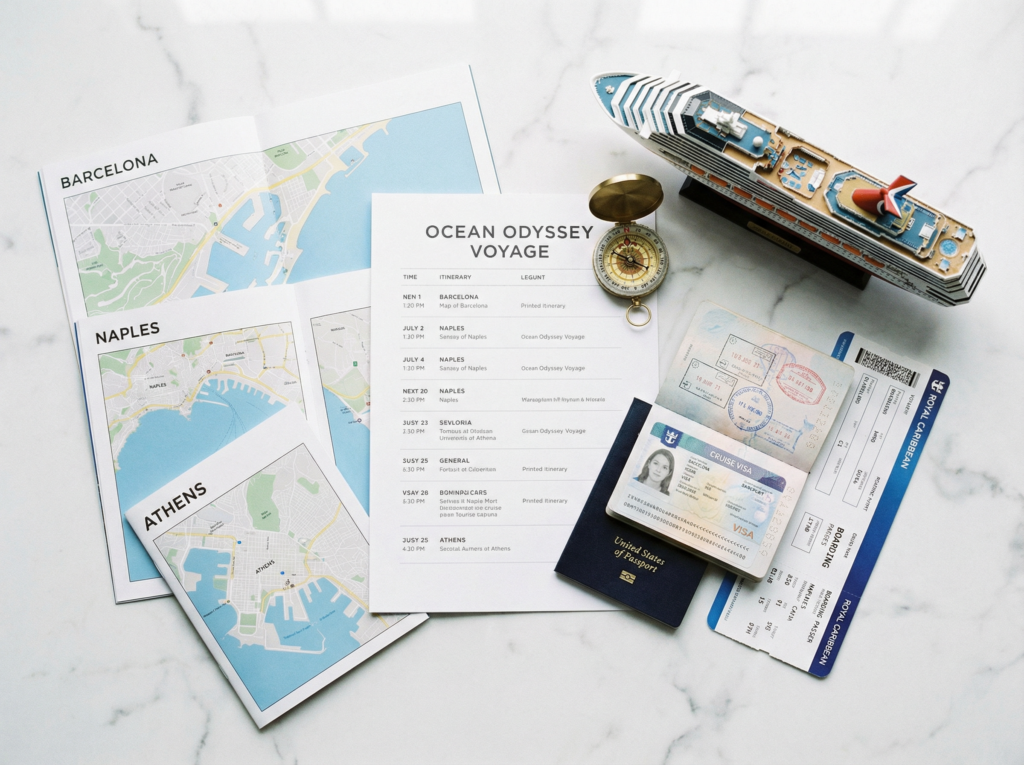
Welcome, savvy cruiser! Are you ready to unlock the secrets of seamless port-day adventures? The key to a stress-free and maximized day ashore lies in understanding the trifecta of cruise port schedules, maps, and more. Imagine stepping off the ship with a clear plan, knowing exactly where to go, what to see, and how to make the most of every precious moment in a new and exciting destination. This guide is your compass, designed to help you navigate the ins and outs of port exploration like a seasoned pro. Whether you’re a first-time cruiser or a veteran of the high seas, mastering the art of port planning will elevate your vacation from great to absolutely unforgettable.
Understanding Cruise Port Schedules, Maps, and More
At the heart of every successful port day is a solid understanding of the logistical tools provided by your cruise line and the port authorities. Cruise port schedules are your primary source of truth for arrival and departure times, not just for your ship but for others that may be in port the same day. This information is crucial for gauging how crowded a port might be and for planning your time accordingly. Similarly, port maps—both those provided by the cruise line and those available at the port itself—are invaluable for getting your bearings, locating key facilities like restrooms, transportation hubs, and information desks, and for plotting your route to nearby attractions. The “more” in our title refers to the wealth of additional information available, from local customs and currency to transportation options and must-try foods. Think of these resources as the foundational elements of your port-day strategy, setting the stage for a day of discovery and enjoyment.
Top Things to Do & See
Every cruise port, regardless of its size or location, offers a unique tapestry of experiences waiting to be discovered. From historical landmarks to pristine beaches, bustling markets to serene natural wonders, the possibilities are as diverse as the destinations themselves. Leveraging your cruise port schedules and maps effectively allows you to prioritize and access these attractions efficiently. Here are some common categories of activities you’ll encounter and how strategic planning enhances your enjoyment:
Historical and Cultural Exploration: Many ports are gateways to ancient ruins, colonial towns, or vibrant cultural centers. For instance, a port call in Rome (Civitavecchia) might lead you to the Colosseum, while a stop in Athens (Piraeus) opens the door to the Acropolis. Use your map to plot the most efficient route between historical sites, and consult schedules to ensure you have ample time for exploration and return.
Beach and Water Activities: For many Caribbean or Mediterranean cruises, beach days are a highlight. Ports like Cozumel, Mexico, or Mykonos, Greece, boast stunning coastlines perfect for swimming, snorkeling, or simply relaxing. Your port map will guide you to the best public beaches or help you locate water sports operators. Checking schedules is vital to allocate enough time for travel to and from the beach, ensuring you don’t miss your ship.
Shopping and Local Markets: Discovering local crafts, souvenirs, and unique products is a favorite pastime for many cruisers. Ports often feature vibrant markets or duty-free shopping districts. A map can help you navigate these areas, pinpointing specific shops or market stalls. Being aware of the ship’s schedule ensures you have enough time to browse and make purchases without feeling rushed.
Adventure and Nature Excursions: Some ports are renowned for their natural beauty and adventurous offerings. Think zip-lining in Honduras, glacier trekking in Alaska, or exploring rainforests in Costa Rica. These excursions often require specific timing and transportation, making careful review of schedules and maps absolutely essential for a smooth experience.
Tips for Your Visit / Navigating the Process
To truly make the most of your day, a little pre-planning goes a long way. Research the top attractions and activities in each port and decide on your must-dos. Consider booking shore excursions in advance, either through the cruise line or with independent tour operators, to secure your spot and avoid disappointment. For those who prefer a more spontaneous approach, having a general idea of what’s available will allow you to make informed decisions on the fly. Remember to factor in travel time to and from your chosen activities, and always leave a buffer to get back to the ship well before the all-aboard time.
Download Offline Maps: Before you even leave home, download offline maps of your port destinations using apps like Google Maps or Maps.me. This will allow you to navigate without needing a Wi-Fi or cellular connection, which can be expensive or unreliable in some ports.
Screenshot Your Ship’s Schedule: Take a screenshot of your ship’s daily schedule, which includes the all-aboard time. This is your most important deadline. Having a digital copy on your phone ensures you won’t have to scramble to find the information later.
Research Port-Specific Transportation: Investigate the local transportation options in advance. In some ports, the best attractions are a short walk from the ship, while in others, you may need to take a taxi, a local bus, or a water taxi. Knowing your options and approximate costs beforehand will save you time and money.
Identify a Meeting Point: If you’re traveling with a group, establish a clear meeting point and time in case you get separated. This could be a specific landmark near the port or a designated spot on the ship.
Local Flavors: What to Eat and Drink
Exploring a new port isn’t just about sights; it’s also about tastes! Sampling local cuisine is an integral part of the travel experience. Even if your time is limited, seek out authentic flavors that define the region. For example, in Caribbean ports, look for fresh seafood dishes like conch fritters or jerk chicken, often sold by local vendors near the port. In Mediterranean destinations, fresh olives, local cheeses, and regional wines are a must-try. Always check for reputable establishments and consider asking locals for their recommendations. A quick snack or a refreshing local beverage can provide a delightful culinary insight into your destination.
Caribbean Delight: Jerk Chicken: In many Caribbean ports, you’ll find vendors selling delicious jerk chicken. This spicy, flavorful dish is a staple of Jamaican cuisine but popular across the islands. Look for roadside stands or small, local eateries for an authentic taste.
Mediterranean Refreshment: Limoncello: If your cruise takes you to Italy, particularly the Amalfi Coast, don’t miss trying Limoncello. This sweet, lemon-flavored liqueur is a perfect digestif and a refreshing treat, often served chilled. You can find it in most restaurants and specialty shops.
Frequently Asked Questions (FAQ)
Is the cruise port walkable from the cruise ship?
This largely depends on the specific port. Some ports, like those in many European cities, are integrated directly into the town, making it easy to walk off the ship and start exploring. Others, especially purpose-built cruise terminals, might require a shuttle bus or taxi to reach the main attractions. Always check your cruise line’s information or a port guide beforehand.
What currency is used in the cruise port?
The local currency of the country you are visiting will be used. However, in many popular cruise destinations, especially in the Caribbean, US dollars are widely accepted. It’s always a good idea to have some local currency for smaller purchases or tips, but major credit cards are also generally accepted in larger establishments. Check a reliable travel guide for specific currency advice for each port.
How much time do I need for a shore excursion?
The time needed for a shore excursion varies greatly depending on the activity. A simple walking tour might take 2-3 hours, while a full-day excursion to a distant landmark could take 6-8 hours. Always factor in travel time to and from the activity, and ensure you are back on the ship well before the all-aboard time. Your cruise line will usually provide estimated durations for their organized excursions.
Final Thoughts
With a little bit of planning and the right tools in hand, you can transform your port days from a source of stress into the highlight of your cruise vacation. By familiarizing yourself with cruise port schedules, maps, and more, you’re empowering yourself to explore with confidence and make memories that will last a lifetime. So go ahead, dive into the planning process, and get ready for your most amazing cruise adventure yet. What’s your number one tip for a successful port day? Share it in the comments below!
Leave a Reply