Cruise Ship Embarkation Explained
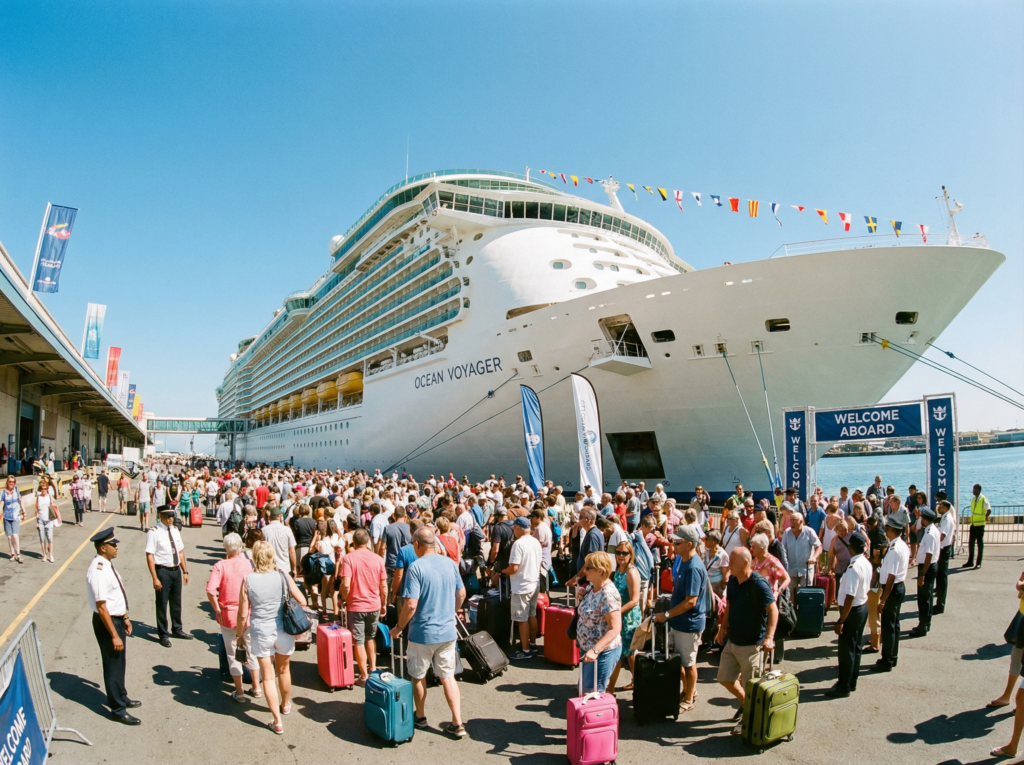
Embarking on a cruise is often the most anticipated part of any maritime adventure, marking the official start of your vacation. The moment you step onto that magnificent vessel, leaving the worries of land behind, is truly exhilarating. For both first-time cruisers and seasoned travelers, understanding the nuances of cruise ship embarkation explained can transform a potentially stressful experience into a seamless and enjoyable transition. This comprehensive guide aims to demystify every aspect of the embarkation process, from essential documentation to navigating the bustling terminal, ensuring you board your ship with confidence and excitement, ready to embrace the open seas.
Understanding Cruise Ship Embarkation
At its core, cruise ship embarkation is the organized procedure of boarding your cruise liner. This intricate process involves several critical stages, meticulously designed to ensure the safety, security, and comfort of all passengers and crew. These stages typically include initial check-in, rigorous security screenings, and the final, triumphant walk onto the ship itself. Cruise lines invest heavily in streamlining this operation, as thousands of guests must be processed efficiently within a limited timeframe. A thorough understanding of each step empowers passengers to prepare effectively, thereby minimizing potential delays and maximizing their precious vacation hours. This systematic approach not only facilitates a smooth transition from shore to sea but also upholds the highest standards of maritime safety and operational excellence.
Top Things to Do & See on Embarkation Day
While the primary goal of embarkation day is to get settled on board, it also presents unique opportunities to kickstart your cruise experience. Make the most of this exciting day with these activities:
Early Ship Exploration: Once you’ve successfully boarded and located your cabin, take advantage of the relatively quieter ship to explore. Wander through the various decks, discover the main dining rooms, identify the specialty restaurants, and find the pools, spas, and entertainment venues. This initial reconnaissance is invaluable for getting your bearings, familiarizing yourself with the ship’s layout, and planning your activities for the days ahead. It’s also a fantastic time to snap some photos before the ship becomes fully populated.
Savor Your First Meal at Sea: Many cruise lines open their main buffet or a selection of casual dining options shortly after boarding begins. Instead of waiting for the evening’s main dining experience, head to one of these venues for your first taste of cruise cuisine. This not only allows you to enjoy a relaxed meal but also helps you avoid the larger crowds that typically gather later in the day. It’s a delightful way to commence your culinary journey and soak in the vibrant atmosphere.
Attend the Mandatory Muster Drill: This essential safety briefing, often referred to as the safety drill, is a non-negotiable requirement for all passengers. It provides vital information on emergency procedures, including how to locate your muster station and what to do in an unlikely event. While it might seem like a formality, paying close attention to these instructions is paramount for your safety and the safety of everyone on board. It’s usually a quick and efficient process, designed to equip you with crucial knowledge without significantly impacting your day.
Tips for Navigating the Process
To ensure your embarkation day is as smooth and stress-free as possible, consider these invaluable tips:
Complete Online Check-in Well in Advance: Almost all major cruise lines offer an online check-in portal. Utilizing this feature allows you to input personal details, select your arrival time, and often print your boarding pass and luggage tags from the comfort of your home. Completing this step beforehand can drastically reduce your time spent at the terminal, bypassing long queues and getting you onto your vacation faster.
Adhere to Your Staggered Check-in Time: Cruise lines implement staggered check-in times to manage the flow of thousands of passengers, preventing overcrowding at the terminal. Respecting your assigned arrival window is not just a courtesy to other passengers and staff; it’s a strategic move that ensures a more efficient and pleasant experience for everyone. Arriving too early might mean waiting outside, while arriving too late could cause unnecessary delays.
Prepare a Smart Carry-on Bag: Your checked luggage will be delivered directly to your cabin, but this can take several hours. To avoid any inconvenience, pack a dedicated carry-on bag with essentials you might need immediately. This should include important documents (passport, boarding pass, medication), a swimsuit for an immediate dip in the pool, a change of clothes, toiletries, and any valuables. This foresight allows you to start enjoying the ship’s amenities without delay.
Keep Essential Documents Readily Accessible: Throughout the embarkation process, you’ll be asked to present various documents multiple times. Keep your passport, boarding pass, and any required visa documents in an easily accessible, secure location, such as a small travel wallet or a dedicated pocket in your carry-on. This quick access will significantly speed up your progress through check-in and security checkpoints.
Local Flavors: What to Eat and Drink (On Embarkation Day)
While embarkation day is typically spent getting acquainted with your floating resort, the culinary journey begins the moment you step aboard. Here are some culinary highlights you can expect:
The Grand Buffet Experience: The ship’s main buffet restaurant is almost always open for lunch on embarkation day. This is a fantastic opportunity to sample a wide array of dishes, from international cuisine to classic comfort foods, all included in your cruise fare. It’s a casual, self-service environment perfect for a quick and satisfying meal after your journey to the port. You can often find fresh salads, hot entrees, carving stations, and a tempting dessert bar.
Poolside Refreshments: As you settle in and perhaps head to the pool deck, you’ll find many poolside bars already bustling. Indulge in your first vacation cocktail, a refreshing mocktail, or a cold soft drink. These bars are usually strategically located to offer stunning views as the ship prepares to depart, providing the perfect backdrop for a celebratory toast to the start of your cruise. It’s an excellent way to immediately immerse yourself in the relaxed, vacation atmosphere.
Frequently Asked Questions (FAQ)
Is the cruise terminal walkable from the city center?
The proximity of a cruise terminal to a city center varies significantly by port. In some destinations, such as Barcelona or Venice, the cruise terminal might be a short walk or a quick shuttle ride from the heart of the city, allowing for easy exploration before or after your cruise. However, many major cruise ports, like Port Canaveral or Southampton, are industrial areas located a considerable distance from urban centers. In these cases, taxis, ride-sharing services, or pre-arranged transfers are necessary. It is highly recommended to research the specific port of embarkation well in advance to understand its layout and transportation options, ensuring a smooth arrival and departure.
What documents are needed for cruise embarkation?
For most international cruises, the primary document required is a valid passport. It is crucial that your passport remains valid for at least six months beyond your cruise’s return date. In addition to your passport, you will need your cruise boarding pass, which is typically generated and printed after you complete the online check-in process on your cruise line’s website. Depending on your nationality and the countries your itinerary visits, you may also need specific visas. Always consult your cruise line’s official website or a reputable travel agent for the most up-to-date and accurate documentation requirements for your specific voyage. Having all documents organized and easily accessible will expedite your check-in.
How much time do I need for the embarkation process?
The duration of the embarkation process can fluctuate considerably, generally ranging from 30 minutes to 2 hours, though it can occasionally be longer during peak times or due to unforeseen circumstances. Factors influencing this timeframe include the specific cruise port, the size of the ship, the number of passengers embarking, and the efficiency of the cruise line’s operations. Your personal preparation also plays a significant role; completing online check-in, arriving during your assigned staggered check-in window, and having all your documents readily available can dramatically reduce your waiting time. It is always prudent to allocate ample time for embarkation to avoid any last-minute rush or stress, allowing you to begin your vacation feeling relaxed and unhurried.
Final Thoughts
Embarkation day is more than just boarding a ship; it’s the ceremonial gateway to your eagerly anticipated cruise adventure. By familiarizing yourself with the process, diligently completing pre-cruise preparations, and arriving at the terminal well-organized, you can transform what might seem like a complex logistical exercise into an effortless and exciting beginning. The key to a smooth embarkation lies in preparation and patience. Once you’ve navigated the terminal and stepped onto the deck, the vast ocean and countless experiences await. So, embrace the journey, explore your magnificent floating resort, and prepare to create memories that will last a lifetime. What are your top tips for a stress-free embarkation day? Share your insights and experiences in the comments below!
Leave a Reply